
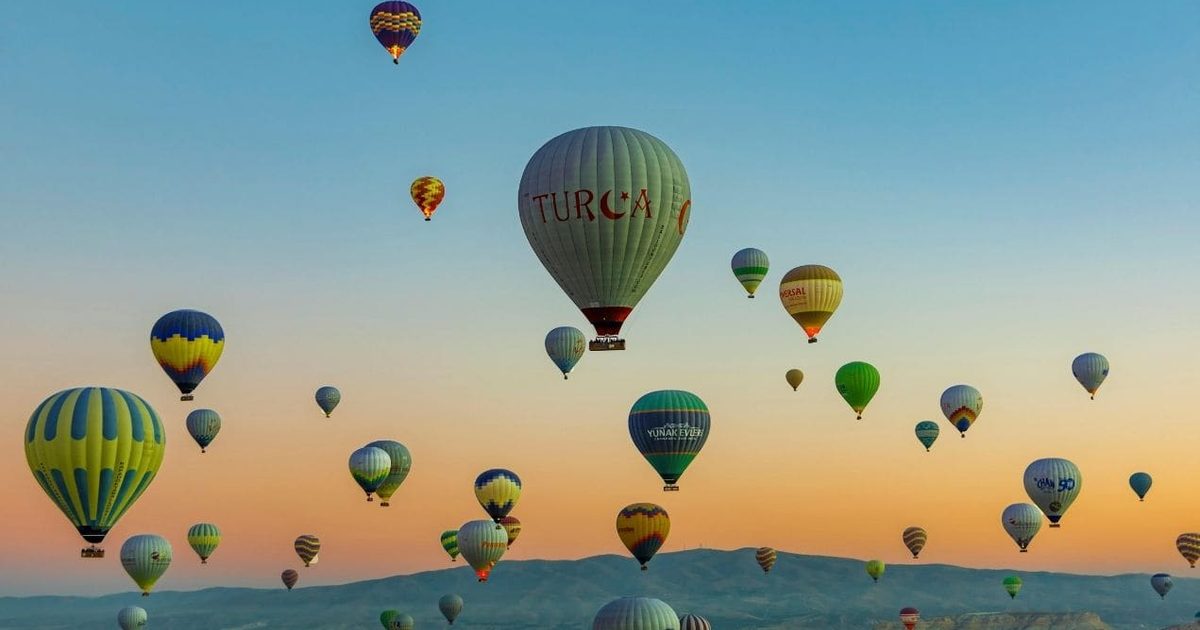
In April, Istanbul's parks are full of tulips and the ferries are packed with people who've been waiting all winter for the sun. In July, the same city is hot and thick with visitors while Antalya's beaches fill up and Cappadocia's valleys glow orange by evening. In January, the Bosphorus is grey and quiet, snow sits on the fairy chimneys and cave hotels are at their cosiest. Türkiye is a different place every month, and the best time to go depends on where you are going.
The country is big, and its regions have very different climates. Istanbul, the beach resorts, the plateau of Cappadocia and the green Black Sea coast do not behave alike in the same month. We plan trips for travellers all year round, and this guide gives you the general pattern, month by month, so you can match the season to the trip you have in mind. We give no temperature promises, because weather varies from year to year: check a forecast shortly before you travel.
Quick Answer: When Should You Go?
| If you want… | Go in | Why | Good to know |
|---|---|---|---|
| A bit of everything, easy walking | April–May or September–October | Mild weather, lighter crowds | The sweet spot for most routes |
| Beaches and swimming | Late May to early October | Warm sea, long days | July and August are the busiest |
| Cappadocia balloons and valleys | April–June, September–November | Stable mornings, comfortable walking | Weather cancellations can happen any month |
| Quiet, snow and cosy hotels | December–February | Few visitors | Cold, with shorter days |
| Black Sea green and highlands | June–September | The highlands are at their best | Rain is possible all year |
Our view: if your dates are flexible, choose late April to early June or September to mid-October. If they are fixed, choose the right region for the month, not the other way round.
Turkey's Climate in a Nutshell
Think of Türkiye as several climates in one country. The Aegean and Mediterranean coasts typically have hot, dry summers and mild, wetter winters. Istanbul sits in between, with warm to hot summers and cool, damp winters, and occasional snow. Central Anatolia, including Cappadocia, is more continental, with hot summer days and cold winters. The Black Sea coast is green because it usually gets rain all year round, and the south-east is known for very hot summers. These are generalities, and weather varies from year to year, so check a forecast shortly before you travel.
The Shoulder Seasons: April–May and September–October

For many travellers, these months are the sweet spot. Spring and autumn are usually comfortable for walking around Istanbul, exploring the valleys of Cappadocia and visiting the south-east, where summer can be too hot for long days outdoors. Crowds are typically lighter than in July and August, and the light is often good for photography. Istanbul's tulips are usually a spring highlight, and the coast often stays warm enough in early autumn for a swim. Ruins such as Ephesus and Pamukkale are particularly pleasant outside the summer heat, and our Ephesus and Pamukkale tour packages are a good place to start.
Summer and Peak Crowds
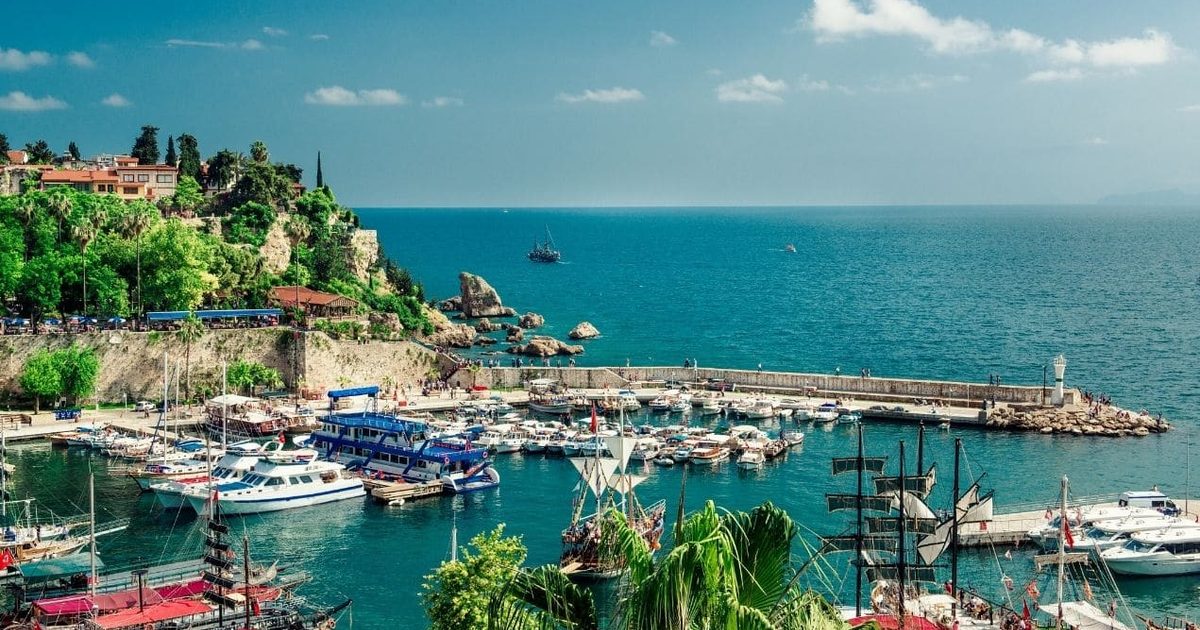
June to August is high season on the coast. Beach resorts, boat trips and sea swimming are at their best, but ancient sites can be hot and busy, and flights and hotels are usually at their most expensive. Plan outdoor sightseeing early in the day and keep the afternoon for shade, the sea or a hammam. If you are travelling in summer, see our guide to the best places in Turkey in summer. The Antalya tour packages suit this season well, and the Black Sea highlands are a cooler alternative.
Winter in Türkiye
Winter is the quiet season, and that is exactly its charm. Istanbul is cool and often grey, but museums are less crowded, and snow over the Bosphorus and the old city skyline can be beautiful. In Cappadocia, fairy chimneys under snow look completely different from summer, and cave hotels feel their cosiest, though you should dress warmly. Hot air balloon flights depend on wind and weather in every season, so keep your plans flexible; our balloon guide explains how this works. The Mediterranean is mild in winter but usually too cool and wet for the beach.
Month by Month
The table below is a rough guide. Real conditions depend on the year and on the exact place.
| Month | Istanbul | Coast (Aegean & Mediterranean) | Cappadocia |
|---|---|---|---|
| Jan–Feb | Cool, damp, quiet | Mild but wet, beaches off | Cold, snow possible |
| March | Changeable, early spring | Warming up, blossoms | Still chilly, cold nights |
| April–May | Mild, tulips, pleasant | Good for sightseeing | Mild, green, popular |
| June | Warm, getting busy | Hot, sea swimming | Warm, long days |
| July–August | Hot, humid, peak crowds | Very hot, peak beach season | Hot days, cooler evenings |
| Sept–Oct | Warm to mild, good light | Sea still warm, fewer crowds | Pleasant, cool mornings |
| November | Cooler, grey, quieter | Mild, showers | Getting cold |
| December | Cold, festive | Mild, wet | Cold, snow possible |
Region by Region
Istanbul
Spring and autumn are the easiest seasons for sightseeing on foot. Summer is lively but hot, and winter is quiet and atmospheric. Our Istanbul tour packages work all year round.
The Aegean and Mediterranean

For ruins like Ephesus, choose spring or autumn. For beach time, choose late spring to early autumn, and expect the coast to be at its busiest in the summer school holidays.
Cappadocia
Spring and autumn are comfortable for valley walks, summer days are hot, and winter brings cold and sometimes snow. See the Cappadocia tour packages for ideas.
The Black Sea

Expect green landscapes and some rain at any time of year, so pack a waterproof layer. Summer is the most popular season for the highlands and lakes; see our Black Sea tour packages.
The South-East
Cities like Mardin and sites like Göbeklitepe are usually best in spring and autumn, because summers are very hot.
Crowds and Prices by Season
We don't quote prices here, because they change from year to year, but the pattern is steady. High season (June to August, plus the main holidays) means the biggest crowds and the highest prices for flights and hotels on the coast and in Istanbul. The shoulder seasons offer the best balance of weather and value. Winter is the cheapest and quietest, with the trade-off of cold and shorter days. If you are flexible, travelling in the shoulder season gets you the same sights with more room. Ask us for current options for your dates.
What to Pack by Season
- Spring and autumn: layers, a light rain jacket, comfortable walking shoes and a scarf for mosques.
- Summer: light, breathable clothes that cover your shoulders, a hat, sunscreen, sunglasses and swimwear.
- Winter: a warm coat, a hat and gloves, waterproof shoes with grip, and thermal layers for Cappadocia.
- All year: a refillable bottle, a power adapter, a small day bag and a modest outfit for mosques.
Ramadan, Eid and School Holidays
Ramadan and the religious holidays follow the Islamic lunar calendar, so their dates move earlier by about eleven days every year. Travel is still possible during Ramadan, and many visitors enjoy the atmosphere, but some local restaurants may adjust their hours during the day. The Eid holidays (Ramazan Bayramı and Kurban Bayramı) are periods when many people in Türkiye travel domestically, so transport and hotels on the coast and in Istanbul are busy, and opening hours can change on the holiday days themselves. School holidays, both in Türkiye and in your own country, also affect prices and crowds. Check the calendar for the year of your trip before booking. If this is your first trip abroad, our first-time travel abroad guide covers the basics.
How to Avoid the Crowds Whatever the Month
Go to the headline sights first thing in the morning and keep the middle of the day for lunch, shade or a hammam. In high season, choose weekdays over weekends, and book balloons, flights and popular hotels early. Watch out for touts in the busiest places, who may tell you a site is closed or offer a "special" tour; use official ticket offices and trusted operators.
What the Photos Don't Show You
Travel photos from Türkiye are taken in the best light of the best month: a sunrise full of balloons, a snow-dusted dome, an empty beach in June. In reality July in Istanbul is hot and crowded, winter in Cappadocia can mean a cancelled balloon, and the sea on the Mediterranean is cold in March. Every season has days that the pictures don't show: rain, queues, heat, early starts and late flights.
What the photos can't show is how different each season feels. Spring smells of blossom, summer is long evenings by the water, autumn is gold light and warm sea, and winter is quiet streets and hot tea. Choose the season that matches the trip you want, and you'll enjoy it more than the postcard.
Frequently Asked Questions
What is the best month to visit Turkey?
For a mix of pleasant weather and manageable crowds, many travellers choose April, May, September or October.
Is Turkey too hot in summer?
The coast and the south-east can be very hot in July and August. Istanbul is warm, and the Black Sea is cooler. Start sightseeing early in the day.
Is winter a good time for Cappadocia?
It can be, if you like quiet and snowy scenery. Pack warm clothes and be flexible about balloon flights.
Does Ramadan affect a trip to Turkey?
Sights and hotels keep running, but some local venues change their hours. Check the dates for your year.
When is it cheapest to visit?
Winter is usually the quietest and best value, and the shoulder seasons offer a good balance. Prices change from year to year, so ask us for current options.
When can I swim in the sea?
Roughly from late May to early October on the Aegean and Mediterranean coasts. The water is warmest from July to September.
Not sure which season fits your plans?
Browse our Turkey tour packages or ask us, and we will suggest routes that suit your travel month.


